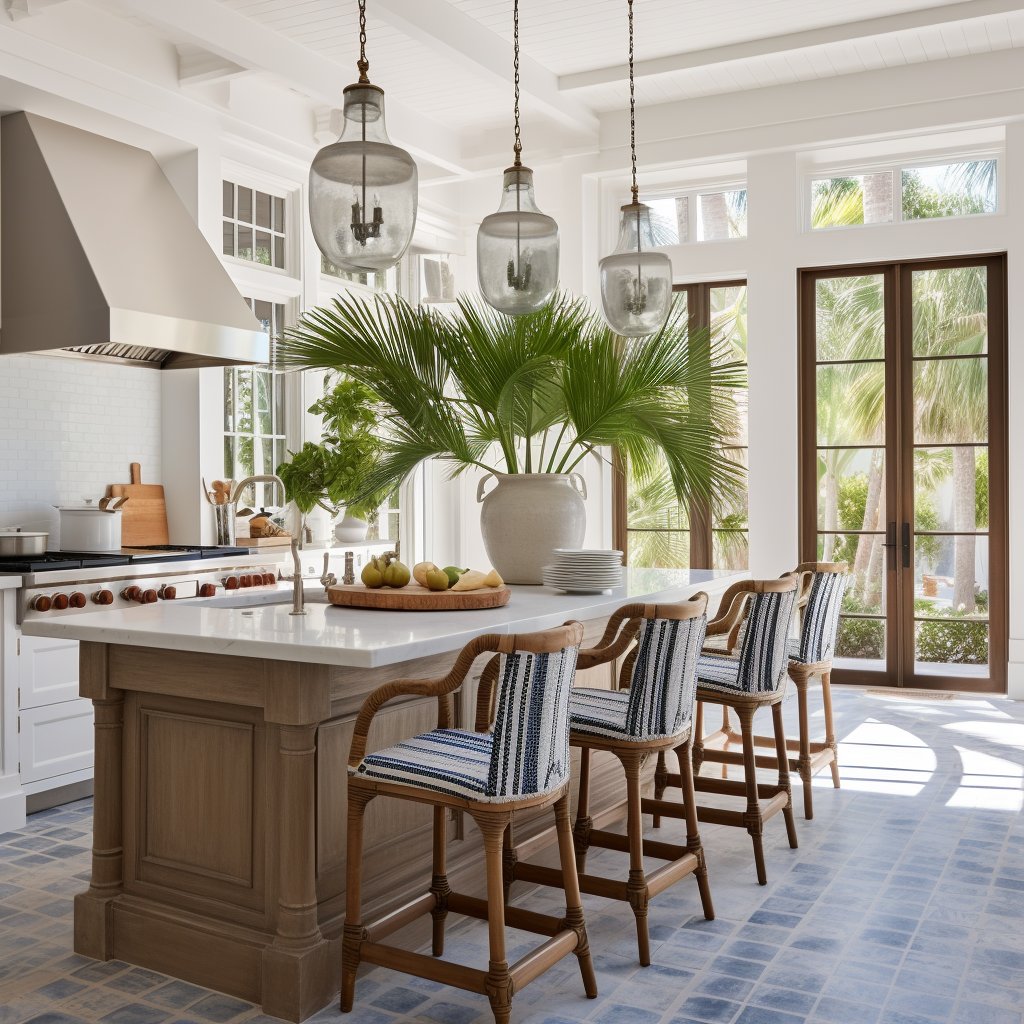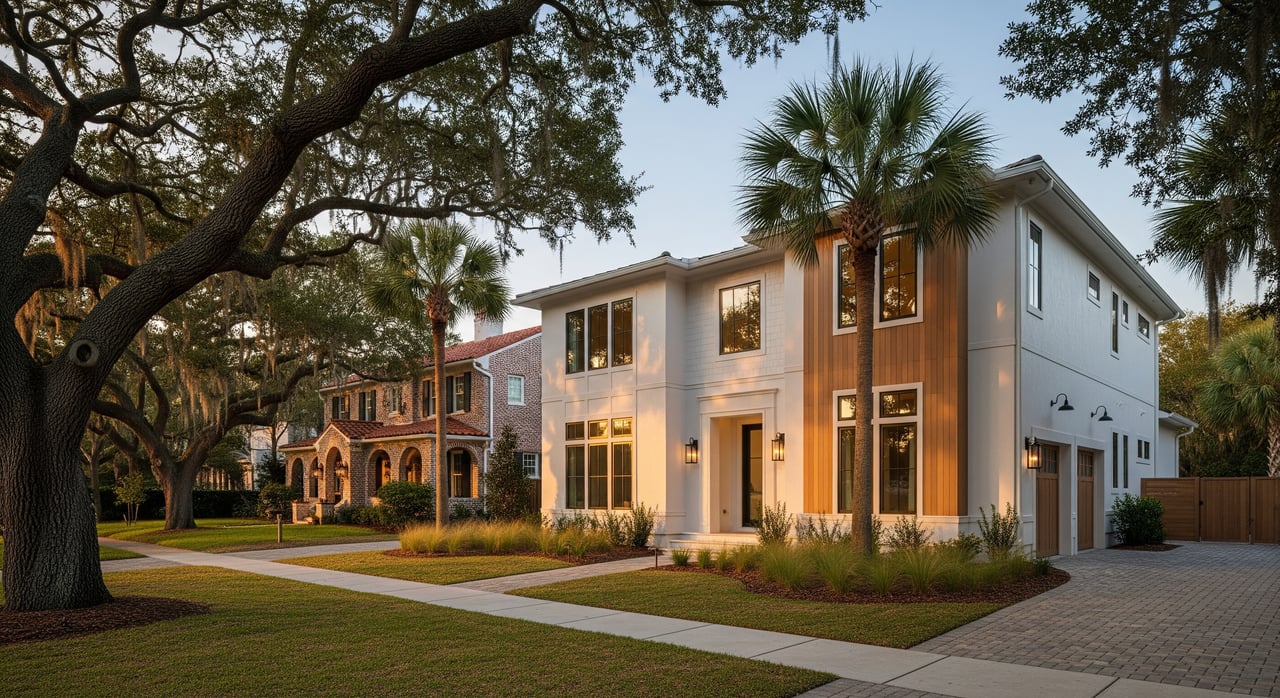
Trying to decide between a brand-new build and a lived-in home in St. Johns can feel like comparing apples to oranges. You want the right house, the right terms, and a clear understanding of ongoing costs like CDD and HOA fees. This guide shows you what to expect from new construction versus resale in St. Johns, including warranties, timelines, inspections, and how to evaluate community fees and documents. Let’s dive in.
Quick comparison at a glance
| Factor | New Construction | Resale |
|---|---|---|
| Timing | 3–9 months for production builds, 6–18 months for semi-custom; quick-move-in inventory may close in 30–90 days | Often 30–60 days to close, depending on lender and contingencies |
| Customization | High if you build early in the process; options and upgrades vary by builder | Lower at move-in; renovations can add time and cost |
| Upfront price | Often a premium for new systems and amenities; incentives may offset | Potentially lower price per square foot; room to negotiate price and repairs |
| Warranty/repairs | Typical 1-year workmanship, 2-year systems, and 10-year structural coverage; confirm exact terms | No builder warranty; budget for near-term replacements like roof, HVAC, or water heater |
| Inspections | Independent inspections still recommended at key phases; builder punchlist process at close | Full inspections essential; use results to negotiate credits or repairs |
| Ongoing fees | Many master-planned communities include CDD assessments and HOA dues | HOA dues vary; some neighborhoods have no CDD |
New construction in St. Johns
What you gain
New builds offer modern layouts, energy-efficient systems, and lower short-term maintenance. Many builders follow a common warranty pattern: one year for workmanship, two years for major systems, and up to ten years for structural items. Always review what is covered, how to submit claims, and whether the warranty is transferable and backed by a third party. In larger master-planned communities, you may also have access to new amenities and infrastructure funded through a CDD.
Timelines you can expect
Production or spec homes often take 3 to 9 months from start to finish, depending on permits, weather, and builder backlog. Quick-move-in inventory may be available now or within 30 to 90 days if construction is near completion. Semi-custom or custom projects can run 6 to 18 months or more. Build in cushion time for delays from site work, materials, and design changes, and review your contract for remedies if timelines shift.
Incentives and financing
Builders frequently offer closing cost credits, preferred-lender rate options, or discounted upgrades. These incentives can offset a higher base price, but pay attention to conditions tied to a preferred lender. Appraisals rely on comparable sales, so in a new subdivision with limited comps, underwriting can be more complex. Focus on your net effective cost, including any rate buydown benefits and included upgrades.
Inspections and punchlist
Even with warranties, plan independent inspections. Common touchpoints include a pre-drywall inspection, an optional post-drywall check, and a final inspection before your walkthrough. Ask for the builder’s punchlist process in writing, including response timelines and how warranty claims are handled after closing. Review any acceptance documents you sign at close that could affect future claims.
Ownership costs to plan
Short term, you may spend less on repairs. Many master-planned communities include CDD assessments to repay infrastructure bonds and HOA dues to operate amenities. Insurance costs depend on construction type and local risk factors, not just a home’s age. Review all recurring fees along with your mortgage to understand your monthly total.
Resale advantages in St. Johns
Why buyers choose resale
Resale homes can offer immediate occupancy, established streetscapes, and mature landscaping. You often have more comparable sales data in the neighborhood, which can support appraisal and valuation. In some markets and price bands, you may find a lower price per square foot than comparable new builds. Negotiation opportunities may include price, repairs, credits, or a flexible closing date.
Inspection and repair realities
Plan a full inspection package that starts with a general home inspection. Add a wood-destroying organism inspection and specialists for HVAC, plumbing, or electrical if needed. Older systems may be near replacement age, so budget for capital items like the roof, HVAC, or water heater. In Florida, sellers provide required disclosures, and you should review HOA or CDD documents when applicable.
Timeline and negotiation
Resale closings commonly run 30 to 60 days, depending on lender timelines and agreed contingencies. Inspection and financing contingencies protect you while giving leverage to request repairs or credits. The right combination of contingencies can help you move forward confidently without overextending risk.
CDDs and HOAs in St. Johns
What a CDD is
In Florida, Community Development Districts are special-purpose units of local government authorized by Chapter 190 of the Florida Statutes. CDDs finance community infrastructure and amenities with bonds and recover costs through assessments on properties within the district. These assessments may appear on your property tax bill and can run for many years. Verify bond documents, assessment schedules, and the current year’s assessment before you make a decision.
How HOAs differ
Homeowners’ associations operate under Chapter 720 of the Florida Statutes. HOAs manage common areas, enforce covenants, and collect dues. Fees vary by community and amenity level. Review CC&Rs, bylaws, rules, budgets, reserve studies, and meeting minutes to understand services, reserves, and any history of special assessments.
What to check locally
Many St. Johns master-planned communities use both a CDD and an HOA. A CDD may fund roads, utilities, and amenity buildout, while the HOA runs day-to-day operations and community rules. Compare total recurring cost by adding the annual CDD assessment and HOA dues, then balance that against your preferred amenities and the long-term outlook for bonds and reserves.
A simple decision framework
Key questions to guide you
- Timing: Do you need to move now or can you wait for construction to finish?
- Customization: Do you want to pick finishes and floor plan options, or do you prefer move-in ready?
- Total monthly budget: What can you comfortably afford after mortgage, taxes, insurance, HOA dues, CDD assessments, and maintenance?
- Repair tolerance: Are you comfortable with near-term repairs on a resale, or do you prefer a builder warranty structure?
- Neighborhood needs: How important are established streetscapes, construction activity levels, and current school assignments versus future amenities?
Budget checklist to compare options
- Purchase price and deposit schedule
- Estimated mortgage payment, with and without any builder lender incentives
- Property taxes and how new construction may change assessed value at completion
- HOA dues and what they include
- CDD assessments, the remaining bond term, and how assessments are billed
- Homeowners insurance and flood insurance, if applicable
- Utilities plus any initial landscaping or yard establishment costs
- Maintenance reserves for near-term replacements (especially on resale)
- HOA special assessment history and current reserve levels
Neighborhood checkpoints
For new communities:
- Which developer and builders are involved, and what is their regional track record?
- Community buildout timeline and which amenities exist today versus planned later
- Phasing map and how active construction could impact noise and traffic near your lot
- CDD bond documents, assessment schedules, and whether bonds are outstanding
- HOA rules, architectural controls, and rental policies
- Current school assignment information and any published capacity notes
For resale neighborhoods:
- Recent comparable sales over the last 3 to 12 months
- Condition of nearby homes and visible maintenance standards
- HOA meeting minutes for any pending special assessments or litigation
- Drainage and stormwater history, plus any noted flooding concerns
- Infrastructure condition such as roads, sidewalks, and street lighting
Questions to ask builders and sellers
Builder specific:
- Provide the full warranty document and explain transfer rules
- Itemize what is included in the base price versus upgrades
- Share the expected completion date and remedies if delayed
- Outline all incentives and whether a preferred lender is required
- Provide punchlist and warranty claim procedures with typical response times
- Confirm any upcoming community assessments or lot-specific fees
Seller specific:
- Recent inspection reports, repairs completed, and receipts
- Any recent roof, HVAC, or structural work with dates and documentation
- Seller disclosures and the HOA or CDD documents, if applicable
- Utility averages for the past 12 months
How a local advisor adds value
You get clarity when someone helps you compare apples to apples. A local, principal-led practice can help you gather the right documents, verify CDD and HOA assessments, and interpret warranty terms and inspection findings. If you are relocating or buying remotely, coordinated walkthroughs, vendor scheduling, and clear communication are essential. You should expect timely guidance on negotiation strategy, whether that means builder incentives and completion timelines or resale credits and contingency management.
If you want a calm, high-touch path to the right decision, connect with Suzanne Trammell. You will get direct, senior-level guidance and a process built for both local and out-of-market buyers.
FAQs
Are builder warranties enough to skip an inspection?
- No. An independent inspector provides an unbiased review at key phases and can identify issues that fall outside the builder’s warranty scope.
How do I estimate a CDD’s long-term cost in St. Johns?
- Request the district’s engineer’s report, bond amortization schedule, and current annual budget, then confirm the current assessment on the property tax bill.
Do builder incentives beat resale negotiations on price?
- It depends on market conditions. Compare your net effective cost since builders may offer credits or rate options, while resale sellers may negotiate price or repair credits.
Can HOA rules affect pools, additions, or rentals?
- Yes. Review the CC&Rs for architectural controls, rental restrictions, and approval processes before you commit.