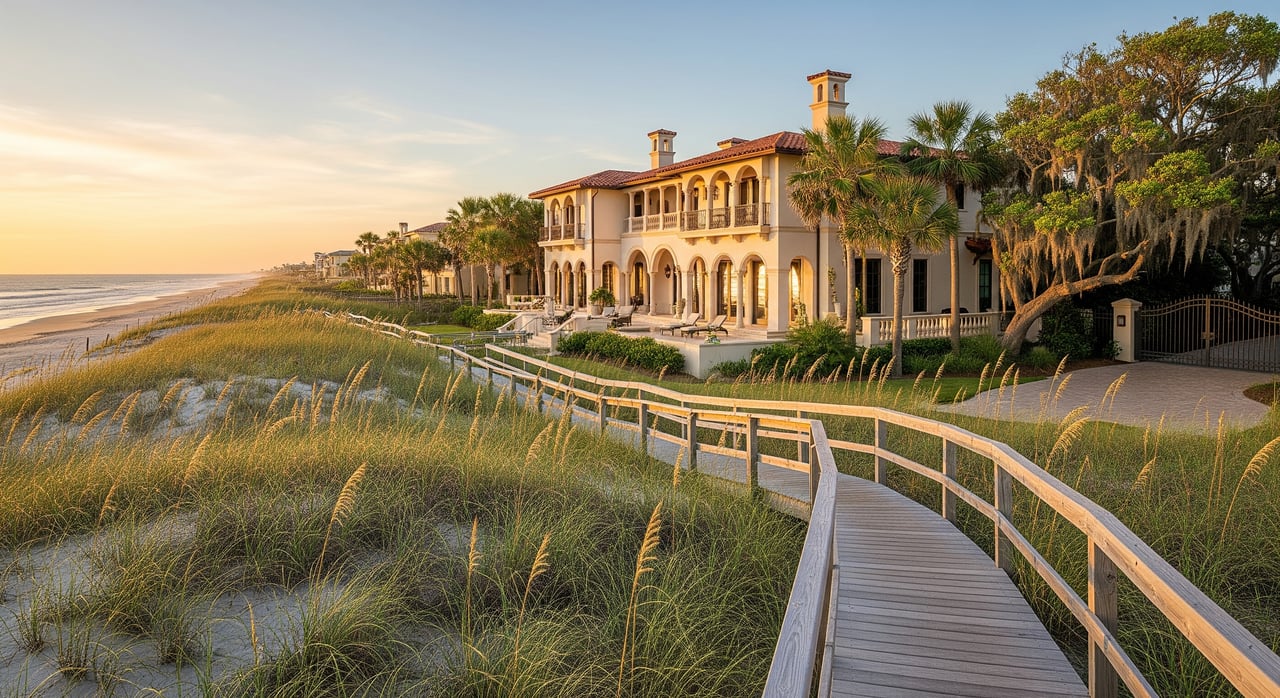
Buying a home without setting foot inside can feel risky. If you are eyeing Ponte Vedra Beach from out of state or planning a second home, you need a clear plan and a trusted local advocate. With the right steps, sight-unseen purchases can be smooth, protected, and surprisingly efficient. In this guide, you will learn how the process works in St. Johns County, what to watch for on the coast, and how Suzanne’s team coordinates every step for you. Let’s dive in.
Why buyers choose sight-unseen in Ponte Vedra Beach
Ponte Vedra Beach attracts second-home owners, relocating professionals, and investors who value beaches, golf, and a relaxed coastal lifestyle. Many buyers purchase remotely to move later, beat tight inventory, or secure the right property before visiting. You are not alone. Plenty of buyers complete secure, successful closings from afar with the right preparation.
This area is an unincorporated coastal community within St. Johns County. Local county offices handle tax records, deeds, and recording, and most closings run through local title companies or closing attorneys. Communities often include HOAs, especially in gated areas like Sawgrass and Marsh Landing, which can affect costs and use. If schools are part of your criteria, note them neutrally as one of several lifestyle considerations.
Local risks to review upfront
Coastal ownership comes with specific checks. You will want to confirm flood zone status, potential storm surge exposure, and salt-air wear, especially on older homes. Use the official FEMA Flood Map Service Center to identify flood zones and request elevation data when needed. For flood coverage basics and options, see FEMA’s National Flood Insurance Program information.
HOA rules can shape your plans. Review short-term rental policies, architectural approvals, fees, and any pending assessments. For property history, taxes, and parcel data, search the St. Johns County Property Appraiser. For recorded deeds and liens, check the St. Johns County Clerk of Court.
Florida legal and closing basics
Sellers in Florida must disclose known material defects. Standard practice uses a seller’s property disclosure form. For a helpful overview, see the Florida Realtors overview of seller disclosure duties. Federal law also requires a Lead-Based Paint disclosure for most homes built before 1978.
Title insurance is central to Florida closings. A title company or closing attorney issues a title commitment, manages escrow, and prepares documents. Deeds are recorded with the county clerk, and typical closing items include tax prorations and documentary stamps. For background on title practices, review the Florida Land Title Association.
Remote signing is common. Florida permits remote online notarization. Policies vary, so confirm early with your lender and title company. For details, see the Florida Department of State’s remote online notarization guidance. E-signature platforms are widely used for contracts and disclosures.
If you are financing, expect an appraisal. Waterfront and coastal properties rarely get waivers. Build time for underwriting questions and appraisal scheduling.
Suzanne’s sight-unseen buyer process
Below is the repeatable workflow Suzanne uses to help remote buyers move with confidence.
1. Intake and strategy
We start with a focused conversation about purpose, price range, timeline, and must-haves. You will share your pre-approval if financing, your communication preferences, and any HOA or location needs. We outline a closing timeframe and decide how aggressive to be in a competitive scenario.
Deliverables include a clear criteria summary, a financing readiness check, and a plan for remote documents and notarization.
2. Finding candidates and virtual tours
You will receive curated listings aligned with your criteria, plus neighborhood context for beaches, parks, and local amenities. Suzanne conducts live video tours via FaceTime or Zoom, showing the exterior, roofline from ground view, visible foundation, attic access where safe, HVAC, and plumbing fixtures. She also films street views, nearby homes, and any high-traffic or noise considerations.
We request floor plans, surveys if available, seller disclosures, HOA documents, recent utility bills, and any prior inspections. When helpful, we add 3D tours and drone footage to confirm coastal orientation and proximity to the water.
3. Smart offers and protections
Sight-unseen offers are built on strong documentation and sensible contingencies. We typically include inspection, financing if applicable, appraisal, title, and HOA document review contingencies. Earnest money is wired directly to the title company after you verify wiring instructions by phone with a known contact. We review seller disclosures before or with the offer per local custom.
Offer terms are tailored to your goals. If you want flexibility, we can specify a defined inspection window and clear remedies for defects, including credits or cancellation.
4. Inspections and due diligence
We schedule a licensed general home inspection and bring in specialists as needed. For standards and credentials, see the American Society of Home Inspectors standards. Depending on the property, additional checks can include roof, HVAC, termites, mold, pool or spa, septic if applicable, and structural evaluation for older or suspect properties. For coastal parcels, we discuss elevation certificates, flood considerations, and potential salt corrosion.
You join the inspection by live video to ask questions in real time. In parallel, we obtain insurance quotes for homeowners and flood coverage, order or update a survey if needed, review HOA CC&Rs, budgets, and meeting minutes, and work with the title company to clear any title issues.
5. Negotiations after inspections
If issues arise, we seek practical solutions. Options include seller repairs, price adjustments, credits, or repair escrows at closing for work that cannot be completed in time. For major items like roofs, structural concerns, or seawall work, we secure estimates to inform the negotiation.
Before closing, Suzanne conducts a final live-video walkthrough. You also receive time-stamped photos or a short recording documenting condition.
6. Remote closing and possession
Most closings can be completed with e-signatures and remote online notarization. If a lender or title company requires in-person notarization, we arrange a mobile notary or trusted courier. Funds are wired only after phone verification of instructions with your title team. The deed records with the county, and possession timing is as specified in your contract. After closing, we confirm utilities, HOA transfers, and deliver digital copies of your recorded deed and closing statement.
Manage risk like a pro
Remote buyers reduce risk with a methodical approach. Here is how we help you protect your interests:
- Review flood zones with the FEMA Flood Map Service Center and request an elevation certificate if needed. Obtain flood insurance quotes early using FEMA’s National Flood Insurance Program information.
- Order a broad inspection scope: general home inspection plus roof, HVAC, termite, pool or spa, and structural review where appropriate.
- Confirm title early and purchase an owner’s title policy. Ask the title company to explain any exceptions in the commitment.
- Obtain or update a survey, and confirm boundaries and potential encroachments. Consider an elevation certificate for coastal parcels.
- Negotiate clear inspection remedies and timelines. Use repair credits or escrow holdbacks when work cannot be completed before closing.
- Conduct a livestream final walkthrough and archive time-stamped photos of major systems.
- Verify wire instructions by phone with your title company and never rely on emailed instructions alone.
Timeline and typical costs
Most sight-unseen deals close in 30 to 60 days from contract, depending on financing, appraisal, inspections, and title. For financed coastal properties, planning for about 45 days is prudent. Remote notarization or courier steps can add a few days if not arranged early.
Common out-of-pocket items include:
- Inspections: general plus any specialties such as roof, pool, septic, or structural
- Survey or elevation certificate when needed
- Homeowners and flood insurance premiums
- Remote closing costs: RON fees, mobile notary, courier, wire verification
- Travel if you plan to visit before or after closing
- Title and lender charges typical for Florida transactions
Quick checklist
- Pre-offer: secure lender pre-approval, sign a buyer-broker agreement, and request disclosures, surveys if available, HOA documents, and recent utility bills.
- During showings: schedule live video tours, request 3D or drone views, and document noted wear or defects on video.
- Offer: include inspection, financing if applicable, appraisal, title, and HOA review contingencies. Confirm earnest money wiring and fraud-prevention steps by phone.
- Inspection period: attend the inspection by video, order specialist evaluations, and obtain repair estimates for major items.
- Pre-closing: finalize insurance quotes, review the title commitment and survey, arrange RON or a mobile notary, and re-verify wire instructions by phone.
- Closing and possession: complete remote signing, confirm recording with the county, conduct a livestream final walkthrough, and secure HOA transfer documents and utility confirmations.
Local resources you can use now
- Flood zones and maps: FEMA Flood Map Service Center
- Flood insurance basics: National Flood Insurance Program information
- Property records and taxes: St. Johns County Property Appraiser
- Deeds and recording: St. Johns County Clerk of Court
- Remote notarization overview: Florida Department of State’s RON guidance
- Title practice background: Florida Land Title Association
- Inspector credentials: American Society of Home Inspectors standards
Ready to explore from afar?
You can buy confidently in Ponte Vedra Beach with a clear process and a principal-level advocate. Suzanne’s boutique, high-touch approach pairs strong negotiation with meticulous on-the-ground oversight for remote clients. If you are considering a sight-unseen purchase, let’s build a plan tailored to your goals. Connect with Suzanne Trammell to get started.
FAQs
Can I really buy sight-unseen in Ponte Vedra Beach?
- Yes, many buyers do so successfully using strong inspection and title contingencies, thorough virtual tours, and a trusted local advocate to manage details.
Do lenders allow remote closings and online notarization in Florida?
- Many do, and Florida permits remote online notarization, but policies vary by lender and title company, so confirm acceptance early in the process.
How do I check a home’s flood risk before I offer?
- Review the property’s flood zone using FEMA’s map tool, request an elevation certificate if needed, and obtain preliminary flood insurance quotes.
How can I avoid post-closing surprises when buying remotely?
- Use a broad inspection scope with live participation, review HOA and title documents carefully, obtain insurance quotes early, and document the final walkthrough.
What is the safest way to send funds for closing from out of state?
- Always call your title company at a known phone number to verify wiring instructions and never rely on emailed instructions without phone verification.