What if your morning walk took you past a centuries-old fort and your afternoon bike ride ended at a quiet Atlantic beach? If you are weighing a move or a second home in Northeast Florida, St. Augustine offers a rare blend of history, walkability, and coastal living. In this guide, you will learn where to focus your search, what homes typically cost, and the key coastal and historic due diligence steps to plan for. Let’s dive in.
St. Augustine at a glance
St. Augustine is known as the oldest continuously occupied European-established settlement in the continental U.S., anchored by the iconic Castillo de San Marcos. The city has about 16,000 residents, according to the latest U.S. Census QuickFacts, and sits within fast-growing St. Johns County, which has a larger suburban population base supported by regional jobs and amenities.
You will find a humid subtropical climate with hot summers and mild winters. Beach season stretches from late spring into early fall. Jacksonville job centers and Jacksonville International Airport are roughly 45 to 60 minutes away by car under typical conditions, depending on start and end points (distance reference).
Where you can live
Historic Downtown and Lincolnville
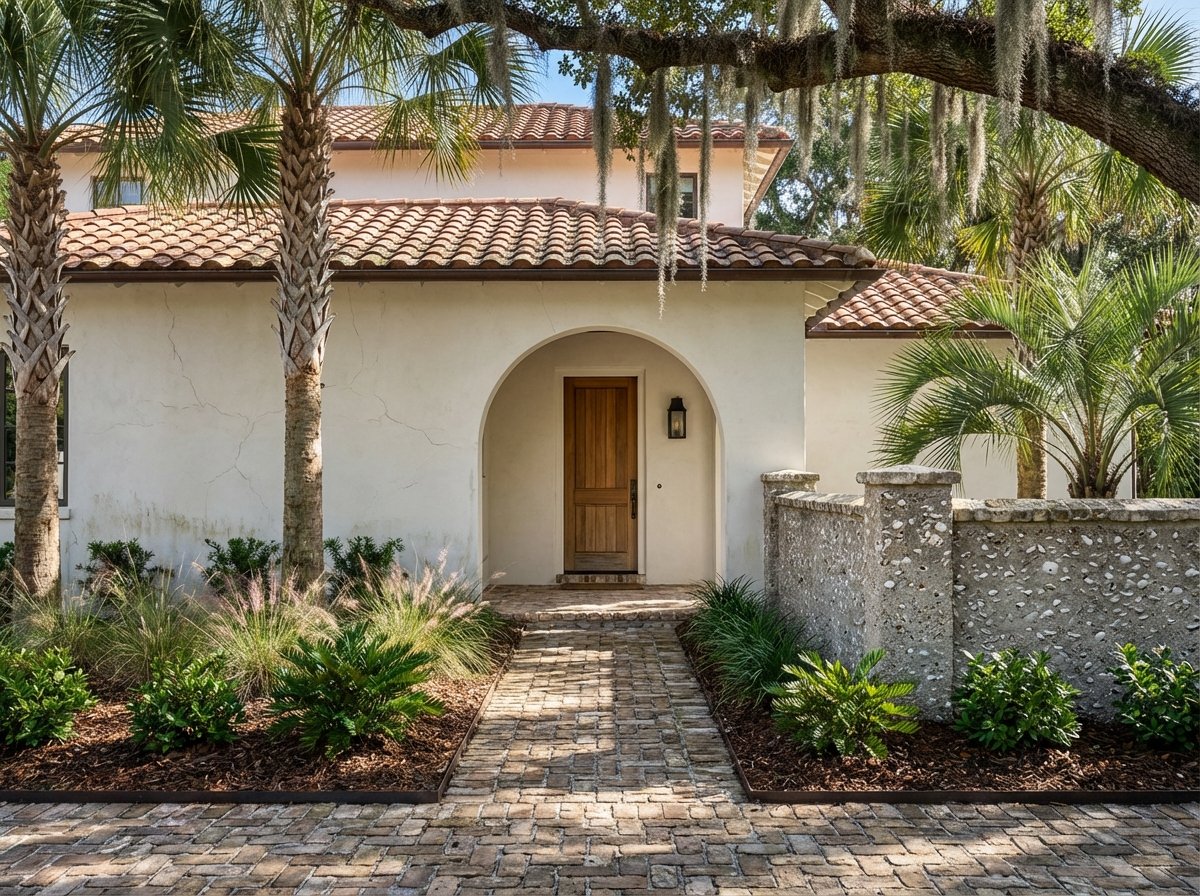
If you want a walkable lifestyle near restaurants, museums, and waterfront views, start here. Expect narrow streets, Gilded Age architecture, and small historic cottages or rowhouses. Many exterior changes in the local historic districts require design review through the city’s Historic Architectural Review Board, so plan for timing and approvals when you renovate (see the City of St. Augustine HARB FAQs).
Anastasia Island and St. Augustine Beach
This barrier island delivers an easy, beach-forward lifestyle a short bridge ride from downtown. You will see oceanfront condos, beach houses, and lively island corridors with dining and entertainment. For a helpful overview of the island neighborhoods and beach access, review the Anastasia Island guide. St. Augustine Beach is more active, while Crescent Beach farther south feels quieter.
Vilano Beach, Crescent Beach, and Butler Beach
These local beach towns offer a smaller scale and laid-back pace. Vilano has a compact commercial strip with waterfront dining and a low-rise feel. Crescent and Butler Beaches are known for long sandy stretches and a slower rhythm. Buyers seeking a second home or a mellow ocean lifestyle often prioritize these areas.
Palencia, Ponte Vedra, and Nocatee
If you prefer newer construction and planned amenities, look to master-planned communities with parks, pools, and trails. Nocatee is a large, award-winning community with town centers and resort-style features; Palencia offers private-club and golf options; Ponte Vedra includes established coastal enclaves. Many of these neighborhoods have HOA and CDD fees that affect monthly ownership costs, so include them in your budget.
What homes cost today
Citywide medians vary by data provider and timeframe, but the direction is consistent: St. Augustine’s typical home value sits in the mid-$400s. Zillow’s Home Value Index reported about $425,700 for the city as of January 2026 (Zillow, Jan 2026). Other providers that focus on recent closings have shown different medians for the same period, which is common due to sample windows and methodology. Beachfront, island, and Ponte Vedra addresses are typically priced higher than citywide averages, with premiums for ocean views, proximity to sand, and newer construction.
Historic cottages near downtown often have smaller footprints but command higher per-square-foot pricing due to location and scarcity. On the islands, oceanfront and near-ocean homes and condos carry pricing and insurance considerations that reflect coastal exposure. In the master-planned suburbs, you will find a range of townhomes and single-family homes with modern floorplans and community amenities.
Lifestyle highlights
- Culture and history: The city’s heart is walkable and full of character, from the coquina walls of the Castillo de San Marcos to Flagler-era landmarks and local museums. Seasonal festivals such as holiday lights add to the rhythm of downtown living.
- Beaches and parks: Anastasia Island offers easy access to broad, sandy beaches and water activities. The island’s state park and local public accesses make beach days simple.
- Dining and evenings: Waterfront and outdoor dining spots dot the city and islands, making it easy to meet friends, enjoy live music, or grab a casual sunset dinner.
Coastal and historic due diligence
- Flood and storm readiness: Much of the coastal inventory sits in mapped flood hazard areas. St. Johns County provides a “Flood Smart” guide and a flood zone viewer to help you verify a property’s risk profile and prepare for insurance and mitigation needs. Start with the county’s Flood Smart resources.
- Historic review in downtown districts: If you buy in a local historic zone, exterior changes may require a Certificate of Appropriateness and, in select areas, archaeological review. Factor that time and cost into your renovation plan. Review the City of St. Augustine HARB FAQs to understand basics.
- Insurance and building standards: Coastal construction standards prioritize elevation, wind resistance, and impact protection. For older homes and historic structures, mitigation can be more involved. Ask for any available elevation certificates and prior insurance information when evaluating a property.
Quick buyer checklist
- Confirm the property’s exact flood zone and request a flood map printout or FIRMette.
- If the home is in a historic area or older than about 50 years, check required design reviews and ask for any prior approvals.
- Request recent elevation certificates and any known history of flood claims.
- Verify HOA and CDD fees for master-planned communities.
- Confirm school attendance boundaries directly with the St. Johns County School District; zones can change. Check the district’s boundary resources on the St. Johns County School District site.
- Order a local inspection that includes mold/termite and wind-mitigation elements, especially for coastal or older homes.
Getting here and getting around
A typical drive to Jacksonville job centers or the airport takes about 45 to 60 minutes in normal conditions, based on start and end points and traffic patterns (distance reference). Within St. Augustine, you will find walkable pockets downtown and on the islands near beach corridors. Many buyers keep bikes or golf carts for local trips, and plan their routines around seasonal events when downtown activity increases.
Find your fit with local guidance
Whether you are drawn to a restored cottage near the fort, a low-maintenance island condo, or a newer home with resort-style amenities, success comes from matching lifestyle, budget, and due diligence. You deserve a principal-led process that anticipates coastal questions, sources trusted inspectors and vendors, and negotiates smartly in neighborhood micro-markets. If you want a seasoned partner who knows these communities and supports relocations and second-home purchases with white-glove service, connect with Suzanne Trammell.
FAQs
What is the typical home price in St. Augustine in 2026?
- Providers vary, but citywide values cluster in the mid-$400s, with a Zillow city estimate near $425,700 as of Jan 2026; beach and Ponte Vedra areas trend higher.
How does flood insurance affect coastal homes in St. Johns County?
- Many island and waterfront properties sit in mapped flood zones, so verify the exact zone, request elevation certificates, and budget for flood insurance and mitigation.
What is living in historic downtown like during busy seasons?
- You gain walkability to dining and culture, but tourism brings more activity and parking demand during festivals and peak months; many residents plan errands and parking accordingly.
How do HOA and CDD fees work in Nocatee and similar communities?
- Master-planned neighborhoods often have HOA dues for amenities and maintenance plus CDD assessments for infrastructure; confirm both to understand your monthly costs.
How far is St. Augustine from Jacksonville International Airport?
- Under typical conditions, plan roughly 45 to 60 minutes by car, depending on your exact starting point and traffic.
Which beaches are quieter near St. Augustine?
- Crescent Beach and parts of Butler Beach tend to feel quieter than central St. Augustine Beach, while still offering broad sandy shoreline and local access points.