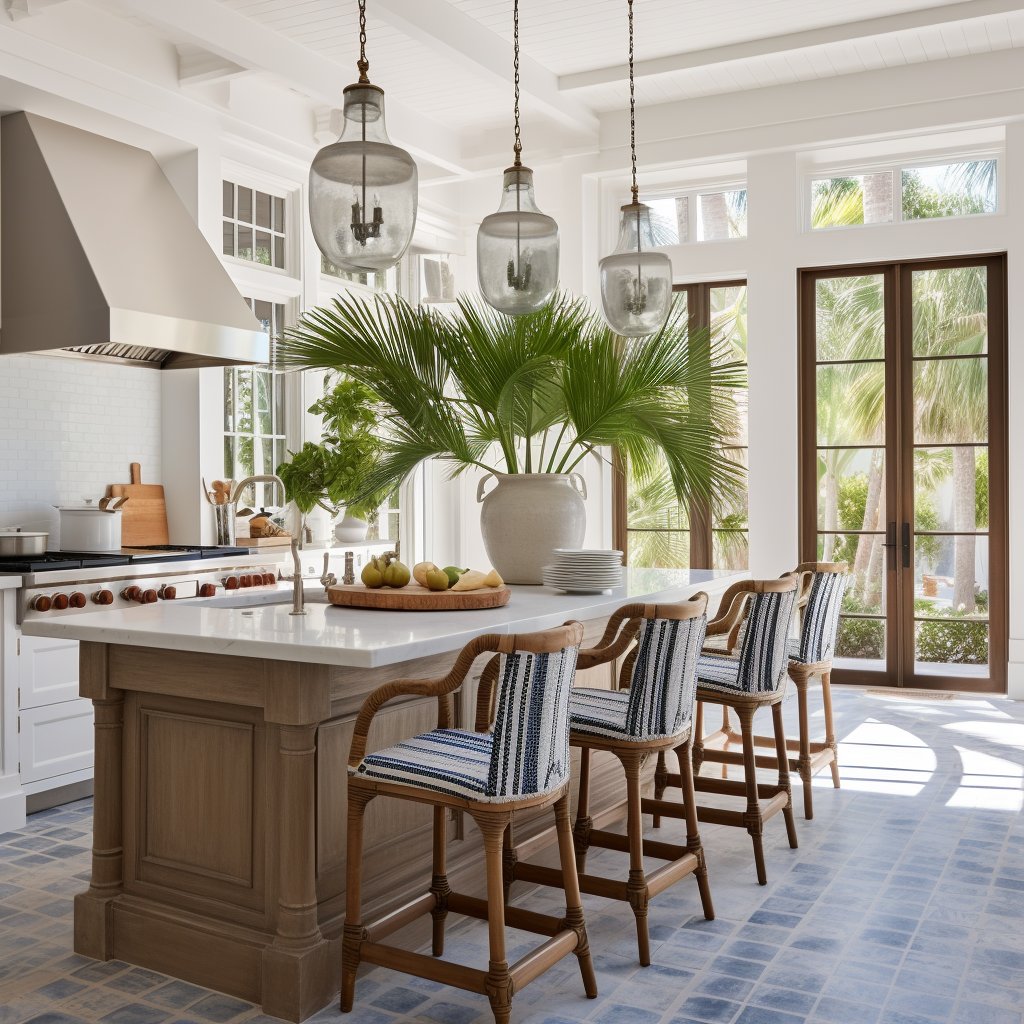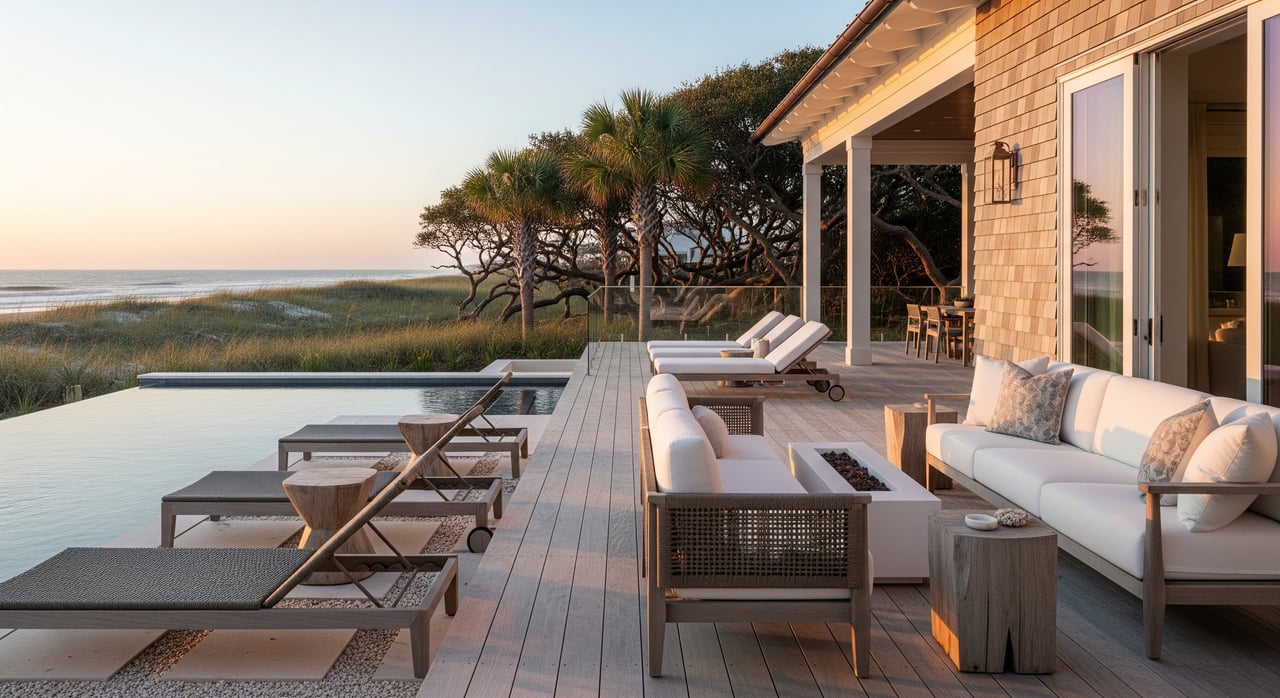
What does a typical day look like when the Atlantic is your backdrop and community life revolves around fresh air and the outdoors? If you are weighing a move to Ponte Vedra Beach, you are likely picturing early beach walks, quick errands, and evenings that end with salt air and easy conversation. This guide helps you imagine that day, understand the neighborhoods and home types that make it possible, and plan for practical details like commutes, insurance, and HOA rules. Let’s dive in.
Life on the Northeast Florida coast
Ponte Vedra Beach sits on Florida’s northeast Atlantic coast in St. Johns County, between Jacksonville and St. Augustine. You are within the Jacksonville metro, which means daily routines feel coastal, yet connected. Typical drive times are about 25 to 40 minutes to Downtown Jacksonville and Jacksonville International Airport, and roughly 20 to 30 minutes to historic St. Augustine. A1A runs along the shoreline, with local arterials linking you to J. Turner Butler Boulevard and I-95 for regional trips.
The climate is humid subtropical, with hot, sunny summers and mild winters. Outdoor living is a year-round reality for many activities. Hurricane season runs from June through November, with peak activity often in late summer and early fall. Most residents keep a seasonal plan for storms as part of normal coastal life.
Day-in-the-life snapshots
Family with school-age kids
You might start with a quick beach walk before school drop-off. Many neighborhoods have sidewalks, parks, and community pools that make after-school hours simple. Youth sports, beach days, and neighborhood events shape a weekly rhythm. Dinner often means a casual seafood spot or a relaxed meal at home with doors open to the evening breeze.
Active retiree seeking the outdoors
Your morning could begin with a walk on the sand, followed by a tennis or pickleball game at a local club. Midday is ideal for kayaking or birding in the nearby Guana Tolomato Matanzas Reserve, where trails and estuaries offer quiet, scenic access. Evenings may include concerts or seasonal events at area venues, plus time with friends who live nearby.
Remote worker who golfs
You might take the first call from a patio, then break up your day with a quick range session or nine holes at a local course. After work, you can bike to the beach, paddleboard on calm days, or squeeze in a sunset run. Weekends bring more golf, community events, and a short drive to Jacksonville or St. Augustine for dining and culture.
Beach and outdoors every day
Beach access varies by neighborhood. The area includes public access points along the coast and private access within some communities or HOAs. Many neighborhoods feature boardwalks over the dunes, which makes a morning walk easy. Typical activities include surfing, paddleboarding, swimming, shelling, and sunset watching.
From spring into summer, sea turtle nesting season brings specific lighting guidelines and respectful beach behavior. You will see local conservation messaging that helps protect turtles and shorebirds. Nearby estuaries and creeks add another layer to everyday recreation, from kayaking to casual fishing.
Golf, clubs, and community life
Golf is central here. TPC Sawgrass, home of THE PLAYERS Championship, anchors a strong golf culture and draws visitors each year. Private golf and country clubs often include tennis, pickleball, fitness centers, and social programming. Parks, trails, and community centers round out options for biking, running, and organized sports.
Homes that fit a coastal routine
Oceanfront and beachfront homes
These offer the classic coastal experience with direct beach proximity and panoramic views. You trade for higher insurance costs and strict coastal building codes. Elevated foundations, impact-rated features, and regular maintenance are common priorities. Many owners upgrade older homes for modern coastal living.
Intracoastal and riverfront properties
If you love boating or fishing, homes with dock access along the Intracoastal can be ideal. You gain water access and scenic backdrops. Consider flood zones, elevation certificates, and insurance quotes early, since many parcels are within FEMA-designated areas. Docks and shoreline features may also carry specific maintenance needs.
Golf-course and country-club residences
These homes sit near fairways and close to club amenities. The lifestyle centers on golf, tennis, fitness, and social events. HOAs and club memberships come with fees and rules that help maintain standards. In return, you enjoy an organized community and activity calendar.
Family neighborhoods and planned communities
Detached single-family homes with yards, parks, and pools are common in planned areas. These neighborhoods appeal to year-round living and routines tied to schools and youth programs. HOAs often shape landscaping, exterior appearance, and parking. You benefit from predictable community standards and shared amenities.
Condominiums and townhomes
Low-maintenance condos and townhomes offer lock-and-leave convenience close to the beach or retail hubs. They suit seasonal living or downsizing. HOA fees cover shared maintenance and amenities, and rules may affect rentals or renovations. You trade private yard space for ease and proximity.
New builds and renovated homes
New construction targets buyers who want turnkey design and current coastal codes. Renovated homes let you blend character with modern systems. In either case, review permits, inspection reports, and elevation details. This helps you understand quality, resilience, and future maintenance.
Commute, shopping, and everyday errands
Daily life balances coastal calm with easy connectivity. Many residents commute to Downtown Jacksonville in about 25 to 40 minutes. Jacksonville International Airport is in a similar time range, while St. Augustine is often 20 to 30 minutes away. Traffic varies by season and time of day, especially during major events.
Dining runs from casual beach cafes to upscale hotel restaurants and private-club dining. Local retail centers cover essentials and specialty needs. Larger shopping and services in Jacksonville and St. Augustine are a short drive. Primary and specialty healthcare options are available across the region, with major hospitals in nearby cities.
Schools and youth programs
Public schools in Ponte Vedra Beach are part of the St. Johns County School District, which is generally well regarded statewide. Many families choose neighborhoods with convenient school and activity access. Always verify school zones, programs, and enrollment directly with the district before you buy. Private schools and preschools are also available in the area.
Costs and tradeoffs to plan for
Coastal living brings both lifestyle benefits and practical considerations. Planning ahead helps you manage costs and enjoy daily life with fewer surprises.
- Flood risk and insurance. Many coastal parcels are in FEMA flood zones. Lenders often require flood insurance, and wind or hurricane coverage can be higher than inland areas.
- Building codes and structure. Coastal standards emphasize wind and impact requirements, with elevated foundations in many locations. Request elevation certificates and recent inspection reports.
- HOA and deed rules. HOAs can govern exterior appearances, landscaping, parking, and beach access. Short-term rental rules vary by community, and some neighborhoods limit or prohibit them.
- Environmental guidelines. Seasonal sea turtle lighting rules and conservation measures may affect outdoor lighting and certain projects. Oceanfront parcels also face long-term shoreline considerations.
- Utilities and connectivity. Most developed neighborhoods have central water and sewer, while some smaller or rural parcels may have septic systems. Broadband is generally strong, though you should verify speed and provider options if remote work matters.
Seasonal rhythms and events
THE PLAYERS Championship brings a festive atmosphere and increased activity around TPC Sawgrass each year. Summer tourism, spring break, and holiday periods can lead to busier roads and popular beaches. Many locals embrace the energy, plan errands earlier, and invite friends to enjoy the season. Farmers markets, charity regattas, and regional festivals add to the calendar.
North vs. south, Sawgrass vs. beachfront
Different parts of Ponte Vedra Beach appeal to different routines. Gated golf and club communities offer amenities, social calendars, and a membership-centric lifestyle. Beachfront neighborhoods prioritize daily ocean access, with private beach associations in some cases and stricter coastal codes. Suburban enclaves near schools and services appeal to families seeking sidewalks, parks, and year-round community life.
Practical steps before you buy
Make the most informed decision by taking a few targeted steps early in your process.
- Check FEMA flood maps and obtain elevation certificates for properties you are considering.
- Ask for recent inspection reports and understand the home’s age, construction type, and wind or impact features.
- Review HOA covenants, fees, and any rental limitations to confirm they fit your plans.
- Verify school zoning and enrollment requirements with the St. Johns County School District.
- Get insurance quotes for wind, hurricane, and flood coverage before you finalize an offer.
- Visit at different times of day and during different seasons, including hurricane season, to understand patterns and pace.
- Attend a community event or spend time at local beaches and parks to get a feel for daily life.
Is Ponte Vedra Beach right for you?
If your ideal day includes easy beach access, active clubs, and quick trips to both Jacksonville and St. Augustine, Ponte Vedra Beach delivers. The community pairs an outdoor-first lifestyle with practical connectivity and strong amenities. With the right homework on flood zones, HOA rules, and insurance, you can enjoy the coastal routine with confidence.
When you are ready to explore neighborhoods, compare home types, and plan the logistics of a local or out-of-market move, connect with Suzanne Trammell. You will get principal-led guidance, clear next steps, and the local expertise to navigate every detail.
FAQs
How long is the commute from Ponte Vedra Beach to Jacksonville?
- Typical drive times to Downtown Jacksonville are about 25 to 40 minutes, depending on traffic and time of day.
What should I know about beach access in different neighborhoods?
- The area combines public beach access points with private or HOA access in some communities, and many neighborhoods have boardwalks that lead over the dunes.
Do I need flood insurance for a coastal home here?
- Many parcels are in FEMA-designated flood zones, and lenders often require flood insurance in those areas, so verify the property’s elevation and coverage requirements.
Are short-term rentals allowed in Ponte Vedra Beach neighborhoods?
- Rules vary by HOA and county guidance; some communities limit or prohibit short-term rentals, so review covenants and local ordinances before you rely on rental income.
What is the climate like for everyday outdoor activities?
- The climate is humid subtropical with hot summers and mild winters, which supports year-round outdoor living for activities like walking, biking, and water sports.
What happens during sea turtle nesting season?
- In spring and summer, lighting rules and beach practices help protect nesting turtles and shorebirds, which can affect outdoor lighting and beach use after dark.