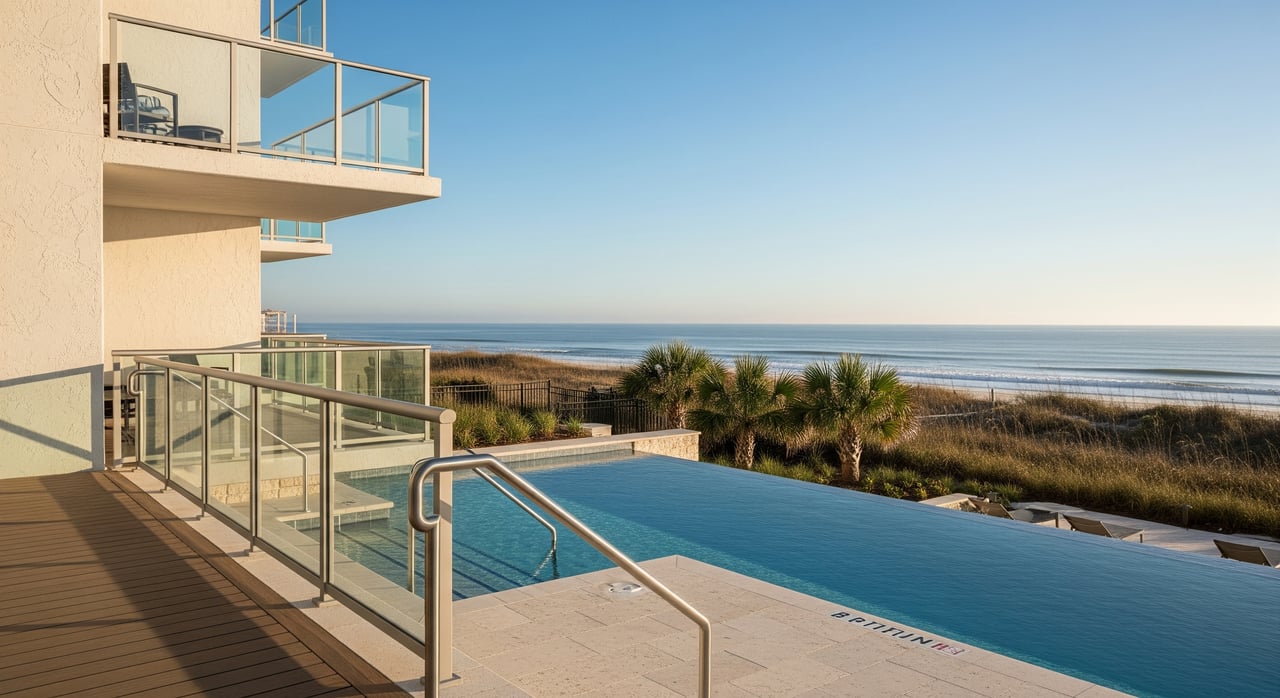
Worried about surprise condo fees at the beach? You’re not alone. Special assessments can turn an easy purchase into a stressful budget hit, especially in coastal buildings where weather and maintenance are constant. In this guide, you’ll learn what special assessments are, why they’re common in Jacksonville Beach, and exactly how to vet a building’s financial health before you buy. Let’s dive in.
What a special assessment is
A special assessment is an extra charge that a condominium association bills to owners, separate from regular dues. It is usually one time or short term. Associations use them when operating income and reserve funds are not enough to cover a specific expense.
In Jacksonville Beach, common triggers include hurricane or storm damage, large insurance deductibles after a claim, deferred maintenance discovered during inspections, and structural or building envelope repairs like balcony waterproofing, concrete spalling, or seawall issues. Major lifecycle replacements such as roofs, windows, elevators, and HVAC can also require assessments if reserves fall short. Legal expenses or settlements can be a factor too.
Coastal conditions raise the odds of these costs. Salt air accelerates corrosion of metal and concrete, storm frequency and wind risk are higher, and waterfront components like pilings and seawalls need periodic attention. Rising insurance costs can also push association budgets past what reserves can cover.
Florida and local rules that matter
Florida’s Condominium Act (Chapter 718, Florida Statutes) sets many of the rules for budgets, reserves, and disclosures. Associations must follow their governing documents and the law when they approve and notify owners about assessments. Buyers typically receive a resale or association disclosure package that includes financials and assessment information. Exact approval thresholds and notice requirements can vary, so it is important to review the specific building’s documents.
The Florida Department of Business and Professional Regulation (DBPR) offers consumer guidance and information on resale disclosures. At the local level, the City of Jacksonville Beach issues permits for major work, which means large repairs usually show up in permit records. Duval County offices also matter: the Property Appraiser provides building age and parcel data, and the Clerk of Court records litigation, liens, and contractor claims that may relate to an association’s finances.
Inspection rules and safety programs have evolved in Florida following high‑profile building failures. Depending on the building’s age and height, new or updated inspection requirements may apply and can lead to significant projects. Timelines can vary by jurisdiction, so verify what applies to your specific building in Jacksonville Beach.
Insurance and storm realities on the coast
Condo associations carry master property and liability insurance, while unit owners often carry HO‑6 policies for interior finishes and contents. Flood insurance is separate and may be required depending on flood zone.
A key risk for buyers is the association’s wind or hurricane deductible. If a storm hits and the deductible is large, the association may need to fund repairs from reserves or levy a special assessment. Insurance policy limits and exclusions also matter. Ask to see the declarations page for the master policy so you understand the coverage and the deductible structure.
How to evaluate a building’s reserves
A building with clear planning and healthy reserves is less likely to hit owners with surprise assessments. You can spot that during due diligence by asking for the right documents and by reading them with a few core metrics in mind.
Documents to request
- Current annual budget and the latest interim financials.
- Reserve study or plan, with the date it was prepared and any supporting engineering reports.
- Reserve account ledger or recent bank statements showing the balance.
- Board meeting minutes for the last 12 to 24 months.
- Any special assessment notices and payment schedules.
- Insurance declarations page for the master policy, including wind or hurricane deductibles.
- A list of capital projects completed in the last 5 to 10 years and planned projects with cost estimates.
- Disclosures of litigation, claims, or adverse judgments.
- Governing documents: declaration, bylaws, articles, rules, and the allocation schedule for unit interests.
- Contractor and engineer reports, warranties, and permit close‑out records for recent work.
Key metrics to check
- Reserve balance. The dollar amount on hand is a start, but you must compare it to the reserve study’s replacement schedule.
- Reserve study target and percent funded. A study estimates remaining life and cost to replace major components. Low percent funded means higher risk of future assessments.
- Reserve per unit. This helps you compare across buildings of similar size and age.
- Operating cash months. How many months of expenses does the association have on hand? This shows short‑term stability.
- Assessment history. Frequent or large assessments in the last 5 to 10 years can signal chronic underfunding.
- Timing and scale of upcoming projects. Near‑term big‑ticket work like roofs, balconies, or seawalls with only partial funding suggests a likely assessment.
A Jacksonville Beach buyer checklist
Use this quick, local‑focused checklist to pressure‑test a building before you write an offer.
- Confirm the building’s age and whether any inspection or recertification timelines apply.
- Review the most recent reserve study. Note the date and whether it includes assumptions for balconies, roofs, parking, pools, and seawalls.
- Compare the current reserve balance to the study’s recommended balance. Ask for bank statements if needed.
- Identify large projects scheduled in the next 1 to 5 years and whether funding sources are clear.
- Ask about installment options for assessments, interest on late payments, and the association’s lien policy for unpaid amounts.
- Examine the master insurance declarations. Pay attention to wind or hurricane deductibles and whether flood coverage is in place for common elements.
- Search permit records for recent major projects to see if they were permitted and closed out.
- Read board minutes for bidding activity, contract awards, attorney letters, or contractor claims.
- Check public records for litigation, recorded liens, or contractor claims involving the association.
Red flags and positive signals
You can often tell if risk is elevated within an hour of reviewing the package.
Red flags
- Reserve study older than 3 to 5 years or no study available.
- Reserves far below the study’s recommended balance, especially when key components are near end of life.
- Repeated or recent special assessments with no long‑term funding plan.
- Large projects pending without identified funding.
- Very high master policy deductibles or major uninsured exposures.
- Active litigation involving building defects, contractors, or association finances.
- Emergency repairs paid from operating funds instead of reserves.
Positive signals
- Reserve study updated within the last few years and prepared with engineering input.
- Percent funded near the recommended target and a clear policy for annual reserve contributions.
- Recent permits and closed‑out projects for roofs, waterproofing, or structural items.
- Detailed minutes showing proactive maintenance planning and competitive bidding.
- Insurance limits and deductibles that align with the building’s risk profile.
How assessments are allocated and paid
Approval and notice procedures must follow the association’s documents and Florida statute. Allocation typically matches each unit’s percentage interest in the common elements. Many associations offer payment plans, but interest and administrative fees may apply for installments or late payments. Associations usually have the right to record liens and take collection action for unpaid assessments, so confirm whether any liens exist on a unit before you commit.
Buyer questions to ask up front
- What is the current reserve balance, and when was the last reserve study completed?
- Which major projects are planned in the next 1 to 5 years, and what are the estimated costs and funding plans?
- What special assessments have been levied in the last 5 to 10 years, and for what purpose?
- Are any special assessments being proposed or voted on now? What are the terms?
- What are the master insurance deductibles for wind or hurricane? Is flood insurance in place for common elements?
- Are there open building defect claims, contractor disputes, or other litigation?
- When was the last full building envelope or structural inspection, and are there outstanding recommendations?
- Does the association have a written reserve funding policy and an updated replacement schedule?
How financing can be affected
Lenders often review HOA documents and may have requirements related to reserves and assessments. Some lenders may escrow for known assessments or decline loans where a significant assessment is pending. Build time into your contract for association review and lender approval. You can also discuss contract protections tied to what you discover in the resale package.
How a local advisor helps you avoid surprises
A strong local process can save you money and stress. You want someone who knows which buildings are mid‑cycle on roofs, which seawalls were recently serviced, and how to read between the lines in board minutes and reserve studies. Coordinating document requests, permit checks, and public record searches is just as important as touring the unit.
If you want a clear, private walkthrough of a specific building’s budget, reserves, insurance, and upcoming projects before you make an offer, reach out to Suzanne Trammell. You will get principal‑level guidance backed by deep Northeast Florida condo experience and a vetted network of inspectors and engineers.
FAQs
What is a condo special assessment in Jacksonville Beach?
- It is a one‑time or short‑term charge billed by the association when regular dues and reserves are not enough to cover a specific expense, such as storm repairs or major replacements.
Why are special assessments common in coastal condos?
- Salt air accelerates corrosion, storms are more frequent and intense, and waterfront components like pilings and seawalls add cost, which can strain reserves.
Which documents reveal if an assessment is likely?
- Review the reserve study, current reserve balance, board minutes, planned project list with costs, insurance declarations, and any recent assessment notices.
How can I check recent building work in Jacksonville Beach?
- Look up permit records for major projects and confirm that permits were closed, then compare to board minutes and contractor reports.
What insurance details should I review before buying?
- Confirm master policy limits and wind or hurricane deductibles, and whether flood coverage exists for common elements, since large deductibles can lead to assessments.
How do associations usually split a special assessment?
- Most allocate costs based on each unit’s percentage interest in common elements as defined in the condominium declaration.
Can a lender decline my loan due to assessments?
- Yes. Some lenders set reserve and assessment criteria and may escrow for assessments or decline loans where a significant assessment is pending.